
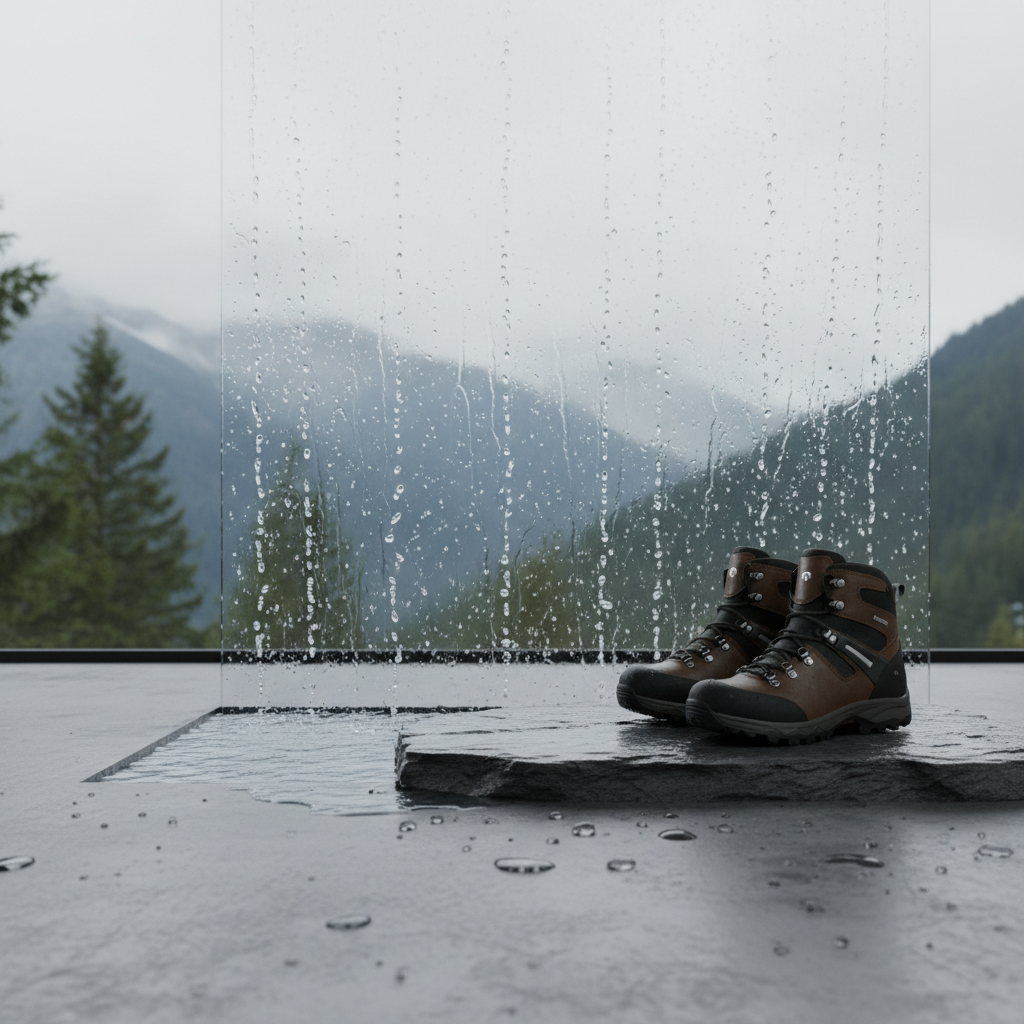
When it comes to outdoor footwear, not all boots handle wet conditions equally. Waterproof brand boots are specifically designed and tested to keep moisture out while maintaining comfort and durability across different terrains and weather conditions. Whether you’re hiking through rain-soaked trails, working in muddy environments, or navigating winter slush, understanding what separates waterproof boots from regular footwear helps you make a smarter purchase.
Choosing the right waterproof boot brand matters because the technology, materials, and construction methods vary significantly between manufacturers. Some brands use proprietary waterproofing systems, while others rely on industry-standard membranes. Knowing the difference helps you match the right boot to your specific needs.
Quick Answer
The most trusted waterproof boot brands include Merrell, Danner, Salomon, Columbia, KEEN, and Timberland. These brands use waterproofing technologies such as Gore-Tex membranes, proprietary liners, and treated leather to prevent water intrusion. The best brand for you depends on your intended use, fit preference, and budget.
Key Takeaways
- Gore-Tex is the most widely recognized waterproofing membrane and appears across multiple reputable brands
- Waterproof ratings and real-world performance can differ, so construction quality matters as much as technology
- Different brands specialize in different use cases, from hiking and hunting to work and everyday wear
- Waterproofing can degrade over time, but proper care and DWR (Durable Water Repellent) treatments extend boot life
- Breathability is a key factor to consider alongside waterproofing, especially for active outdoor use
- Price does not always equal better waterproofing, but it often reflects overall build quality and longevity
What Makes a Boot Truly Waterproof?
A boot is considered waterproof when it prevents water from penetrating the upper materials and entering the interior for a sustained period. This is typically achieved through one or more of the following methods:
- Waterproof membranes like Gore-Tex or eVent laminated to the inner lining
- Treated leather or synthetic uppers coated with DWR finishes
- Sealed or welted construction that closes off seams where water could enter
- Waterproof rubber lower sections combined with treated fabric uppers
Gore-Tex is the industry benchmark. It’s a microporous membrane that blocks liquid water while allowing water vapor (sweat) to escape, feet dry from both outside moisture and internal perspiration.
Top Waterproof Boot Brands and What Sets Them Apart
Merrell
Merrell is one of the most popular waterproof hiking boot brands in the US. Many of their trail shoes and boots feature Gore-Tex liners or their proprietary M Select DRY waterproofing. Merrell boots are known for their balance of comfort, traction, and value, making them a strong choice for day hikers and trail runners.
Danner
Danner is a heritage American boot brand respected for premium construction and long-term durability. Their waterproof boots often use Gore-Tex liners combined with full-grain leather uppers. Danner boots are popular among hunters, military personnel, and serious hikers who prioritize longevity over budget.
Salomon
Salomon focuses heavily on performance-oriented footwear. Their waterproof boots frequentlyanes paired with lightweight synthetic materials. Salomon is a strong option for fast-paced hiking, trail running, and alpine approaches where weight and agility matter.
Columbia
Columbia offers solid waterproof boots at accessible price points. Their Omni-Tech waterproofing system is a proprietary seam-sealed membrane that performs well in light to moderate wet conditions. Columbia boots are well-suited for casual hikers,pers, and everyday outdoor use.
KEEN
KEEN uses a proprietary waterproofing system on many of their boots and integrates it with their signature wide toe box design. KEEN waterproof boots are a popular choice for people who need extra toe room or who spend hours on their feet in wet environments.
Timberland
Timberland’s classic waterproof boots use full-grain leather with seam-sealed construction. They’re built for durability in work casual settings rather than technical hiking. Timberland is a reliable choice for everyday waterproof footwear in urban and light outdoor environments.
Waterproof vs. Water-Resistant: A Key Distinction
| Feature | Waterproof Boots | Water-Resistant Boots |
|---|---|---|
| Protection level | High, sustained immersion | Light rain and splashes |
| Technology used | Membranes, sealed seams | DWR coating only |
| Breathability | Moderate to good | Generally better |
| Best for | Rain, streams, snow | Light wet conditions |
| Durability of protection | Long-lasting if maintained | Fades with use and washing |
Water-resistant boots rely on surface coatings that repel light moisture but eventually soak through. Waterproof boots use structural barriers that hold up to prolonged exposure. For serious outdoor use, waterproof construction is the more reliable choice.
For more on what makes waterproof footwear perform differently in real conditions, see Most Comfortable Waterproof Boots: What Makes Them Different.
How Long Do Waterproof Boots Stay Waterproof?
Waterproofing does forever. The DWR coating on the outer material typically degrades after regular use and washing. The internal membrane, however, generally remains intact much longer if the boot is not physically damaged.
To extend waterproof performance:
- Clean boots regularly with a soft brush and mild soap
- Reapply DWR spray or wax treatment every season or as needed
- Allow boots to dry naturally, away from direct heat
- Store in a cool, dry place when not in use
Who Should Prioritize Waterproof Brand Boots?
Waterproof boots are most valuable for:
- Hikers and backpackers in wet or variable climates
- Hunters and anglers spending time near water
- Workers in construction, agriculture, or landscaping
- Winter commuters dealing with snow and slush
They’re less critical for dry-climate hikers or those doing primarily indoor work, where breathability may matter more than waterproofing.
If you’re planning outdoor adventures that involve water exposure, pairing the right waterproof footwear with other protective gear makes a real difference. For guidance on layering and outdoor choices, What to Wear When Camping offers practical insight.
Conclusion
Waterproof brand boots vary widely in technology, construction, and intended use. The best brand depends on matching the boot’s design to your specific activity and environment. Understanding the difference between waterproof membranes, DWR coatings, and construction methods helps you choose footwear that genuinely performs when conditions get wet.
Investing in a reputable waterproof boot brand means fewer wet feet, more comfortable outings, and footwear that holds up over time with proper care.
FAQs
What is the most trusted waterproof boot brand?
Danner and Merrell are consistently rated among the most trusted waterproof boot brands in the US. Danner is favored for premium durability, while Merrell offers strong performance at a wider range of price points.
Is Gore-Tex the best waterproofing for boots?
Gore-Tex is the most proven and widely used waterproofing membrane in boots. It offers reliable water protection combined with breathability, making it a top choice for active outdoor use.
How do I know if my boots are truly waterproof?
Look for boots labeled with Gore-Tex, a proprietary waterproof membrane, or seam-sealed construction. Terms like “water-resistant” or “water-repellent” indicate a lower level of protection that will not hold up in prolonged wet conditions.
Can waterproof boots be resoled or re-waterproofed?
Many high-quality waterproof boots can be resoled by a cobbler, and the outer DWR coating can be reapplied using spray or wax treatments. The internal membrane is more difficult to repair but rarely fails before the rest of the boot.
Are waterproof boots worth the extra cost?
For anyone exposed to wet conditions, waterproof boots are worth the investment. They protect foot health, improve comfort, and typically last longer than non-waterproof alternatives when properly maintained.
This article was last updated on April 22, 2026 .
The Outdoors Blog is reader-supported. When you buy through links on our site we may earn an affiliate commission. Learn More.