
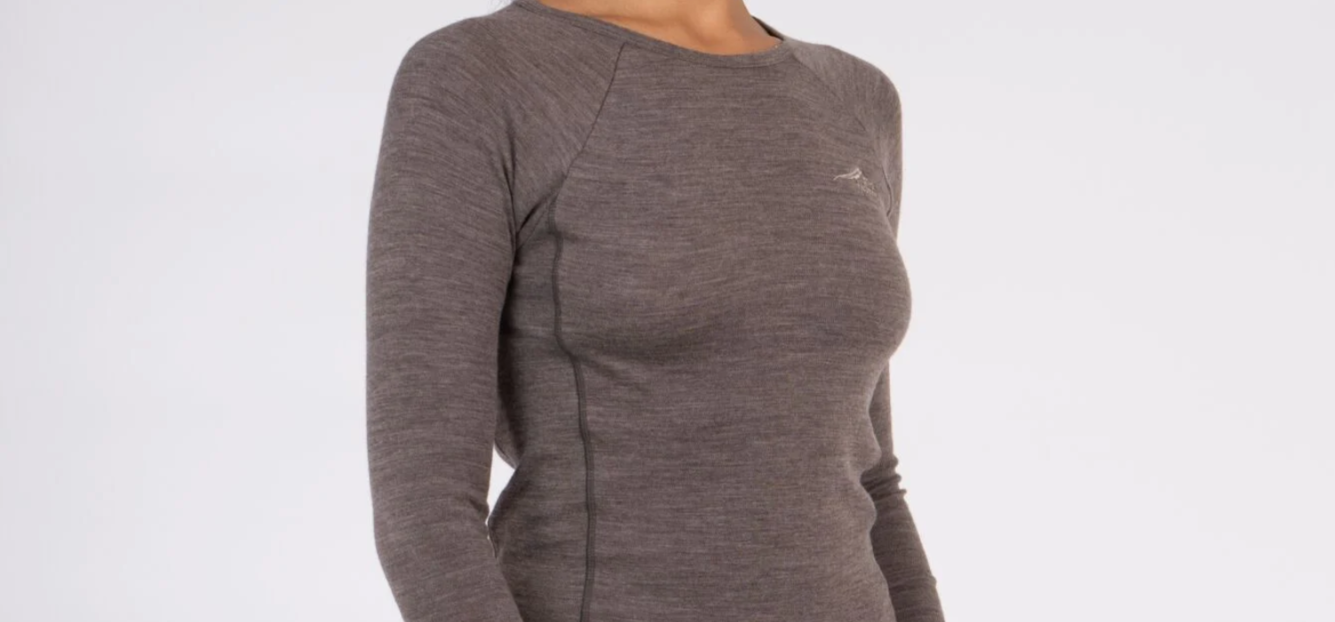
If you’ve spent any time researching camping gear, you’ve probably come across merino wool as a base layer recommendation more times than you can count. There’s a reason for that. Merino wool has quietly become one of the most trusted materials in outdoor apparel — not because of clever marketing, but because it genuinely performs in ways that synthetic fabrics often can’t match.
Whether you’re car camping in mild temperatures or backpacking through unpredictable mountain weather, the fabric sitting closest to your skin matters more than most people realize. This guide breaks down exactly what merino wool does, why it works as a base layer for camping, and how to make the most of it on your next trip.
Key Takeaways
- Merino wool regulates body temperature in both cold and warm conditions, making it a versatile year-round base layer
- It naturally resists odor far better than synthetic materials, which is a significant advantage on multi-day camping trips
- Merino wool wicks moisture away from the skin while retaining warmth even when damp
- It’s softer than traditional wool and doesn’t cause the itching or irritation most people associate with wool clothing
- Merino base layers are available in different weights (lightweight, midweight, heavyweight) suited to different conditions
- It’s a natural, biodegradable fiber, making it a more sustainable choice compared to petroleum-based synthetics
- Merino wool tends to cost more upfront but often outlasts cheaper alternatives with proper care
What Is Merino Wool and Why Is It Different?
Merino wool comes from Merino sheep, a breed originally from Spain and now predominantly raised in Australia and New Zealand. What sets it apart from standard wool is the fineness of the fiber. Merino fibers measure between 15 and 24 microns in diameter — far thinner than conventional wool, which typically runs 30+ microns. That fineness is what makes merino feel soft against bare skin rather than scratchy.
Beyond texture, the structure of merino fibers is naturally crimped, which creates tiny air pockets that trap warmth. This same structure also allows the fabric to stretch and recover, giving it a comfortable, form-fitting feel without restricting movement.
How Merino Wool Performs as a Base Layer
Temperature Regulation
One of the most impressive qualities of merino wool is its ability to regulate temperature across a wide range of conditions. The fiber absorbs moisture vapor from your skin and releases it into the air, helping your body maintain a stable temperature whether you’re hiking uphill in the morning or sitting still at camp in the evening.
This makes a merino wool base layer camping-appropriate in three seasons, and in some cases, all four. It’s not just a cold-weather fabric — lightweight merino is actually worn by hikers in warm conditions specifically because it breathes well and prevents overheating.
Moisture Management
Merino wool can absorb up to 30% of its weight in moisture before it starts to feel wet. More importantly, it continues to provide warmth even when it’s damp — a critical safety feature in cold or wet environments. Synthetic base layers wick moisture quickly but lose insulating properties when saturated.
For camping scenarios where you might be sweating during activity and then resting in cooler air, this moisture-buffering quality is genuinely valuable. Knowing what to wear when camping involves understanding how each layer behaves, and the base layer is where it all starts.
Odor Resistance
Ask any long-distance hiker what they appreciate most about merino wool and odor resistance will come up immediately. Merino fibers contain lanolin and have a natural antibacterial structure that inhibits the growth of odor-causing bacteria. In practical terms, this means you can wear a merino base layer for multiple days without it developing the unpleasant smell that synthetic shirts often produce after a single day of activity.
On a camping trip where laundry isn’t an option, this isn’t a minor convenience — it’s a real quality-of-life advantage.
Merino Wool Base Layer Weight Guide
Merino base layers come in different weights, measured in grams per square meter (gsm). Choosing the right weight for your conditions is important.
| Weight | GSM Range | Best Conditions | Typical Use |
|---|---|---|---|
| Lightweight | 150–200 gsm | Warm to mild temperatures | Active hiking, summer camping |
| Midweight | 200–250 gsm | Cool to cold temperatures | 3-season camping, shoulder seasons |
| Heavyweight | 250–400 gsm | Cold to very cold temperatures | Winter camping, high-altitude trips |
For most campers, a midweight merino base layer covers the widest range of conditions. If you’re only buying one, that’s usually the safest choice.
Merino Wool vs. Synthetic Base Layers
It’s worth understanding how merino wool compares directly to synthetic options like polyester and polypropylene, which are the most common alternatives.
| Feature | Merino Wool | Synthetic (Polyester/Polypropylene) |
|---|---|---|
| Odor resistance | Excellent | Poor to moderate |
| Moisture wicking | Good (slower) | Excellent (faster) |
| Warmth when wet | Good | Poor |
| Softness | Very soft | Varies (can feel rough) |
| Drying time | Slower | Faster |
| Durability | Moderate | High |
| Sustainability | Natural, biodegradable | Petroleum-based |
| Cost | Higher | Lower |
Neither is universally better. Synthetic base layers dry faster and are typically more durable, which makes them a strong choice for high-output activities in wet environments. Merino wins on comfort, odor control, and temperature regulation — qualities that matter most on multi-day camping trips where you’re wearing the same clothes for extended periods.
Some campers choose to blend both approaches, using a merino base layer for general wear and a synthetic layer during high-intensity activity.
Layering System: Where Merino Wool Fits
Understanding the layering system helps you see how a merino base layer works within a complete camping outfit. The three-layer system is the standard framework:
- Base layer — sits against the skin, manages moisture and temperature (this is where merino excels)
- Mid layer — provides insulation, traps warmth (fleece or down)
- Outer layer — protects against wind, rain, and elements (shell jacket or waterproof layer)
Your base layer sets the foundation. If it’s failing — holding moisture, chafing, or causing you to overheat — the entire system suffers. A well-chosen merino base layer keeps you comfortable from the skin outward.
If you’re also thinking about footwear as part of your overall comfort strategy, understanding what makes comfortable waterproof boots different is another piece of the puzzle worth exploring.
Caring for Merino Wool Base Layers
Merino wool requires a bit more attention than synthetics, but it’s not complicated. Follow these guidelines to extend the life of your base layers:
- Wash on a gentle or wool cycle with cold water to prevent shrinkage
- Use a mild detergent designed for wool or delicate fabrics — avoid regular detergents with enzymes
- Lay flat to dry rather than tumble drying, which can cause shrinkage and fiber damage
- Avoid wringing or twisting the fabric when wet
- Store loosely rather than compressed to maintain loft and fiber structure
With proper care, a quality merino base layer can last several years even with regular use. The higher upfront cost often balances out over time when compared to replacing cheaper alternatives more frequently.
Common Misconceptions About Merino Wool
“Merino wool is too hot for summer camping.” This is one of the most persistent myths. Lightweight merino is specifically designed for warm-weather use. The fiber’s breathability and moisture management make it a reasonable choice even in mild summer conditions, particularly for evenings when temperatures drop.
“All wool is itchy.” Standard wool can absolutely be irritating against skin. Merino is different because of its fine fiber diameter. Most people who have avoided wool for years are surprised by how comfortable merino feels when they try it.
“It’s not worth the price.” Quality merino base layers do cost more than budget synthetics. But when you factor in longevity, odor resistance, and the comfort advantage on extended trips, many campers find the investment justified. Getting a good night’s rest in a comfortable sleeping setup starts with what you’re wearing.
Conclusion
Merino wool as a base layer for camping earns its reputation through consistent, real-world performance. It regulates temperature across a wide range of conditions, resists odor on multi-day trips, manages moisture effectively, and feels genuinely comfortable against skin. It’s not a perfect material — it costs more and dries slower than synthetics — but for many campers, those trade-offs are worth it.
The key is choosing the right weight for your conditions, caring for it properly, and understanding how it fits within your overall layering system. Whether you’re heading out for a single overnight trip or a week-long backcountry adventure, a well-chosen merino base layer is one of the more reliable investments you can make in your camping comfort.
FAQs
Is merino wool good for sleeping in a tent?
Yes, merino wool is an excellent choice for sleeping in a tent because it regulates temperature and wicks moisture, keeping you comfortable whether the night is cool or unexpectedly warm. Its softness also makes it comfortable to wear directly against skin for extended periods.
How often should I wash a merino wool base layer on a camping trip?
One of the advantages of merino wool is that you don’t need to wash it as frequently as synthetic fabrics. On a camping trip, many people wear the same merino base layer for three to five days without significant odor buildup.
Can merino wool get wet and still keep you warm?
Yes, merino wool retains a significant portion of its insulating properties even when damp, unlike synthetic materials that lose warmth when saturated. This makes it a safer choice in unpredictable weather conditions.
What’s the best merino wool weight for three-season camping?
A midweight merino base layer in the 200–250 gsm range is the most versatile option for three-season camping, handling cool mornings and evenings while remaining manageable during active daytime use.
Does merino wool shrink in the wash?
Merino wool can shrink if washed in hot water or tumble dried on high heat. Washing on a gentle cycle with cold water and laying flat to dry prevents shrinkage and extends the life of the garment significantly.
This article was last updated on February 25, 2026 .
The Outdoors Blog is reader-supported. When you buy through links on our site we may earn an affiliate commission. Learn More.