
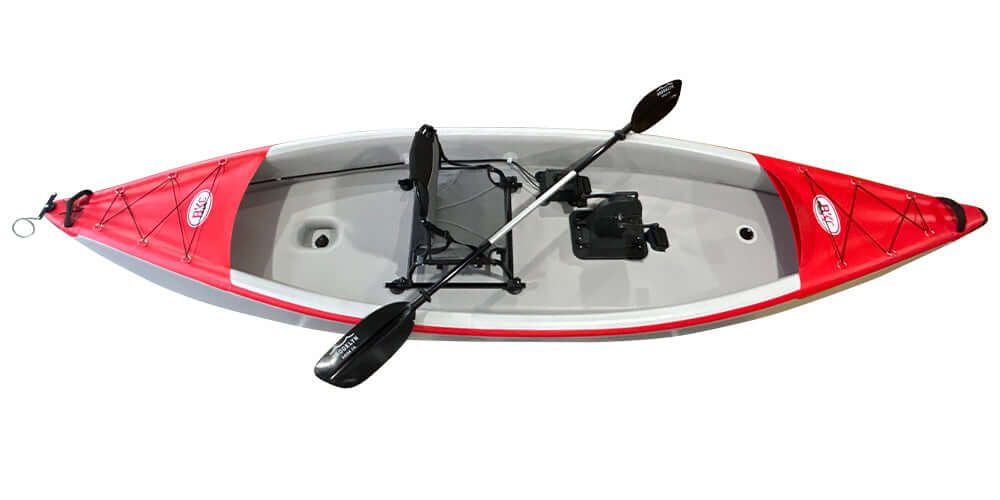
Getting your first inflatable stand-up paddleboard ready for the water can feel overwhelming if you’ve never done it before. The BKC 13-foot iSUP is a popular choice for recreational paddlers who want a stable, portable board that’s easy to transport and store. This guide walks you through the complete inflation and setup process so you can get on the water with confidence.
Whether you’re a beginner or just new to this specific board, understanding the correct setup procedure protects your equipment and ensures a safe paddling experience.
Quick Answer
To inflate and set up the BKC 13-foot iSUP, attach the pump hose to the Halkey-Roberts valve, inflate to 12-15 PSI using the included dual-action hand pump, then attach the fin, adjust the bungee cords, and connect the ankle leash. The full process takes roughly 10-15 minutes.
Key Takeaways
- Always inflate the BKC 13-foot iSUP to the recommended 12-15 PSI range for optimal rigidity and performance
- Use the dual-action setting on the hand pump for faster inflation during the early stages
- The center fin clicks into the fin box and locks with a small screw or tool-free clip depending on the model year
- Never exceed the maximum PSI printed on the board to avoid damaging the drop-stitch construction
- Lay the board on a flat, clean surface during inflation to avoid valve stress or uneven expansion
- Fully deflate and roll the board tightly from the nose toward the tail for compact storage
What You Need Before You Start
Before inflating your BKC 13-foot iSUP, gather everything included in the package:
- Dual-action hand pump with pressure gauge
- Pump hose and adapter
- Center fin (and side fins if included)
- Ankle leash
- Paddle (assembled separately)
Check that the valve cap is secure and the valve pin is in the upright (open) position before attaching the pump. If the pin is pressed down, air will escape rather than fill the board.
Step-by-Step Inflation Instructions
Step 1: Unroll and Lay Out the Board
Unroll the BKC 13-foot iSUP on a flat surface, deck side up. Remove any debris that could puncture the material. Allow the board to sit for a minute so it relaxes into its natural shape before you begin pumping.
Step 2: Connect the Pump Hose
Attach the pump hose to the Halkey-Roberts valve on the board. Push the connector down and turn it clockwise until it locks. A loose connection will cause air to leak during inflation and make the process significantly harder.
Step 3: Inflate Using the Dual-Action Setting
Start pumping with the dual-action setting engaged. This means air enters the board on both the down and up stroke, which speeds up the early inflation phase considerably. You will feel resistance increase as the board firms up.
- From 0 to roughly 7 PSI: pumping feels relatively easy
- From 7 to 12 PSI: resistance increases noticeably
- From 12 to 15 PSI: switch to single-action if needed for the final push
Target pressure is 12-15 PSI. Most paddlers find 13-14 PSI provides the best balance of rigidity and comfort underfoot.
Step 4: Check the Pressure Gauge
Monitor the built-in gauge on the pump throughout the process. Stop when you reach your target PSI. Do not overinflate. Exceeding the maximum rated pressure can stress the seams and shorten the lifespan of the board.
Step 5: Remove the Pump and Seal the Valve
Disconnect the hose by pressing the connector down slightly, turning counterclockwise, and pulling it free. Immediately replace the valve cap and tighten it by hand. This prevents any air from slowly escaping before you hit the water.
How to Attach the Fin
The BKC 13-foot iSUP uses a tool-free click-in fin system on most current models, though some earlier versions use a small flathead screw.
- Slide the fin tab into the front of the fin box channel
- Push the fin forward until the locking tab clicks into place
- Give the fin a firm tug to confirm it is secure before paddling
A loose or missing fin significantly reduces tracking ability, especially on a longer board like the 13-foot model. If your board came with smaller side fins, press them into their designated boxes near the tail until they snap in.
Setting Up the Leash and Bungee Deck System
Attach the ankle leash to the D-ring at the tail of the board. The leash coil should sit near your back foot when standing. This keeps the board close if you fall and is especially important in moving water or wind.
The front bungee cargo area is pre-rigged on the BKC 13-foot iSUP. You can thread the bungee cords through gear handles or adjust the tension by repositioning the cord anchor points. This area works well for securing a dry bag or water bottle during your paddle. For keeping your valuables protected on the water, check out the best dry bags for kayaking for compatible storage options.
Common Setup Mistakes to Avoid
- Skipping the pressure check: Always verify PSI with the gauge before launching
- Attaching the fin after entering the water: Attach all fins on land before carrying the board to the water
- Leaving the valve cap off: Even a small amount of air loss changes board performance
- Rolling the board before it’s fully deflated: This stresses the material and can damage the valve stem
If you’re new to paddling gear in general, understanding what to wear when kayaking can also help you prepare for similar water-based activities with the right clothing and safety gear.
Conclusion
Setting up the BKC 13-foot iSUP is a straightforward process once you understand the correct sequence. Inflate to the recommended PSI range, secure the fin, attach your leash, and you’re ready to paddle. Taking a few extra minutes to do each step correctly extends the life of your board and makes every session safer.
Consistent setup habits, especially around valve care and pressure monitoring, are what separate paddlers who get years of use from their boards from those who run into avoidable problems early on.
FAQs
What PSI should I inflate the BKC 13-foot iSUP to?
The recommended inflation range. Most paddlers prefer 13-14 PSI for a firm, responsive feel underfoot without putting unnecessary stress on the board’s seams.
How long does it take to inflate the BKC 13-foot iSUP by hand?
Using the included dual-action hand pump, inflation typically takes 10-15 minutes. The process gets harder as pressure increases, so pacing yourself during the final few PSI is normal.
Can I use an electric pump to inflate the BKC iSUP?
Yes, most electric pumps with a Halkey-Roberts adapter are compatible. Set the electric pump to stop at 13-14 PSI and monitor it closely, since some pumps overshoot the target pressure.
How do I store the BKC 13-foot iSUP after use?
Fully deflate the board, remove the fin, and roll it tightly from nose to tail. Store it in the included bag away from direct sunlight and extreme heat, both of which degrade the PVC material over time.
Why is my BKC iSUP losing air after inflation?
The most common causes are a loose valve cap, a valve pin stuck in the down position, or a small leak at the pump hose connection. Check the valve first before inspecting the seams or bladder.
This article was last updated on March 24, 2026 .
The Outdoors Blog is reader-supported. When you buy through links on our site we may earn an affiliate commission. Learn More.